How to Find a Trusted General Dentist Near You

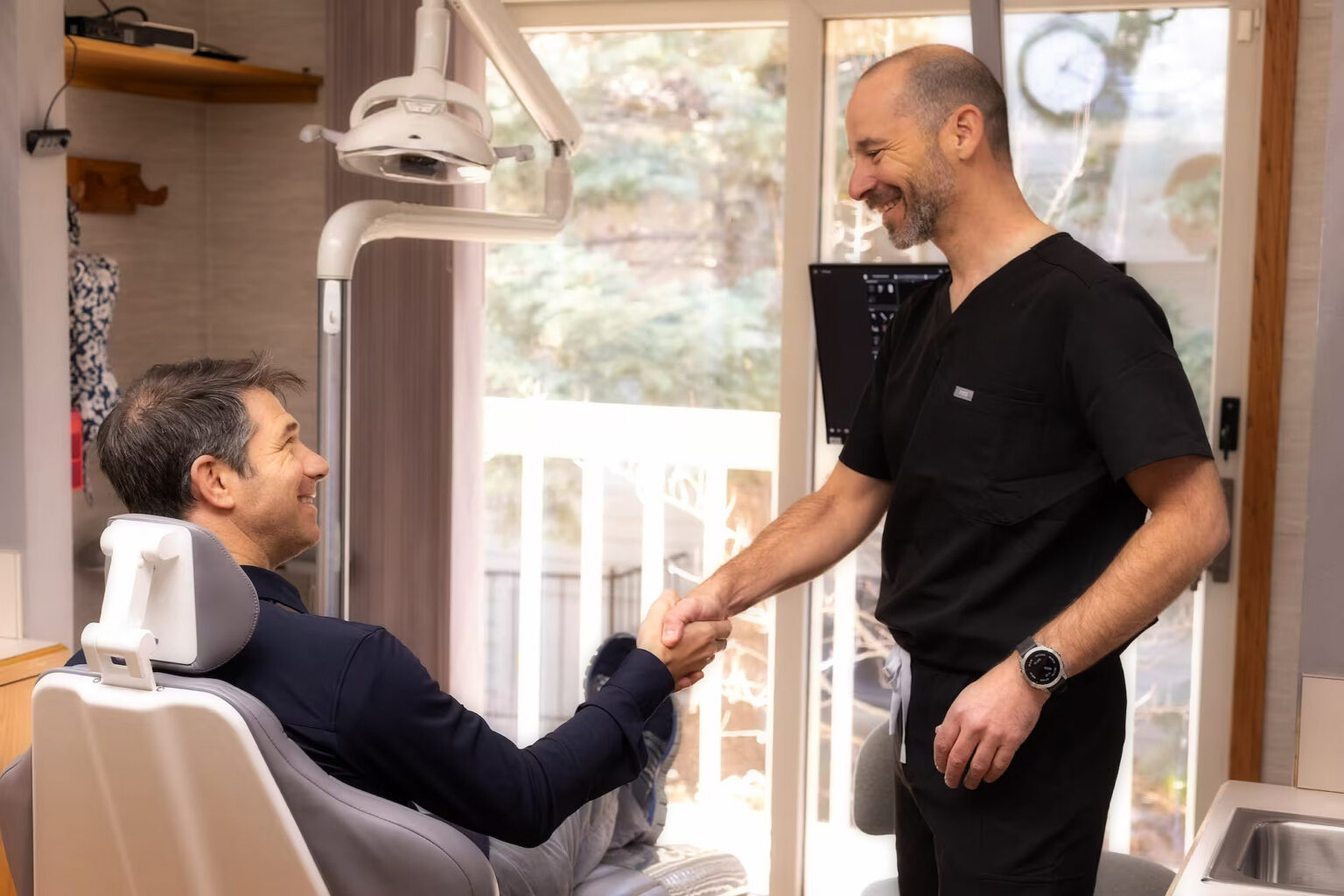
Finding a good general dentist is not difficult in the sense that there are usually plenty of names online. Finding one you actually trust is different. Most people are not looking for the closest office with a clean website and a booking button. They want someone competent, steady, honest about treatment, respectful of their budget, and calm when something hurts or goes wrong.
That distinction matters more than people think. A general dentist is often the clinician who notices the early cavity, the cracked filling, the gum inflammation, the nighttime grinding, or the oral changes that deserve a closer look. If that relationship is solid, dental care tends to stay simpler, less painful, and less expensive over time. If it is not, people delay visits, second guess recommendations, and often return only when they are already in pain.
The search gets easier when you know what to pay attention to and what to ignore. Fancy branding helps an office market itself. It does not tell you much about clinical judgment, consistency, or whether the team handles nervous patients well on a Tuesday afternoon when the General Dentist aspenwooddental.com schedule is running behind.
What a trusted general dentist actually does
A general dentist is the main point of dental care for most adults and children. They handle routine exams, cleanings, fillings, crowns, preventive advice, X-rays, and the everyday decisions that keep small problems from turning into large ones. Depending on the office, they may also provide night guards, simple extractions, whitening, clear aligners, and some emergency care.
Trust enters the picture because dentistry is not just technical. It involves judgment calls. A tooth with an old filling may be watched for another year, repaired now, or rebuilt with a crown depending on the crack pattern, bite pressure, symptoms, and long term prognosis. Two dentists can look at the same tooth and recommend different things in good faith. The patient needs enough confidence in the dentist’s reasoning to move forward without feeling sold to.
In practical terms, a trusted general dentist tends to do several things well. They explain findings in plain language. They tell you what needs treatment now and what can safely wait. They discuss alternatives when there are real alternatives. They keep records and imaging organized. They are not offended by reasonable questions. They also know their limits and refer out when a specialist will give you a better outcome.
Start close to home, but do not let convenience make the decision for you
Most people begin with geography, and that makes sense. If an office is too far away, regular care becomes easy to postpone. A good target is a practice you can reach without much friction from home or work. Ten to twenty minutes is manageable for most routines. Longer can still work if the care is excellent, but distance becomes more noticeable when you need an early morning appointment, a follow up, or urgent attention for a chipped tooth.
Still, convenience should narrow the field, not end the search. I have seen people stay with a mediocre dentist for years simply because the office sat next to their grocery store. I have also seen patients drive a bit farther because their dentist was careful, conservative, and consistently available in emergencies. Over five or ten years, quality matters far more than parking convenience.
If you are moving to a new area, pay attention to neighborhoods where established family practices have been operating for years. Longevity alone does not prove excellence, but stable practices often reflect repeat patients, word of mouth, and a team that has not turned over every six months.
Referrals still matter, especially when they are specific
Online reviews are useful, but a thoughtful personal referral is usually more revealing. Ask friends, coworkers, neighbors, or your primary care physician one simple follow up question after they name a dentist: “What do you like about them?” The answer tells you whether the recommendation is based on real experience or vague familiarity.
A strong referral sounds specific. Someone might say their dentist never pressures them into cosmetic work, caught a failing filling before it cracked, got their child comfortable after a bad prior experience, or personally called to check on them after a difficult procedure. Those details matter. They point to habits, not slogans.
Generic praise is less helpful. “The office is nice” may just mean the waiting room has good lighting and a coffee machine. “They got me in fast” is useful for access, but says little about diagnostic quality. Look for comments that reflect competence, honesty, and consistency under ordinary conditions, not just one polished first visit.
How to read online reviews without being misled
Review platforms can be helpful if you read them like a pattern finder, not like a scoreboard. A practice with hundreds of five star reviews may be excellent, but volume alone should not decide it. Some offices actively funnel happy patients toward review links. Some frustrated patients only post when there has been a billing or scheduling dispute. Both realities distort the picture.
Read enough reviews to notice repetition. If several people mention that the dentist explains treatment clearly, runs on time, and gives options without pressure, that is meaningful. If multiple reviews mention surprise charges, rushed exams, difficulty reaching the office, or aggressive upselling, that deserves attention.
It also helps to separate emotion from substance. A review saying “I hate dentists but they were gentle with my injections” is quite valuable. A review complaining that the dentist recommended a crown does not necessarily mean the recommendation was wrong. Dentistry often involves expensive but appropriate work. What you want to know is whether the office explains why treatment is needed and whether that recommendation feels consistent with the condition of the tooth.
One practical tip is to sort reviews by most recent as well as most helpful. An office can change quickly after a new owner, a staffing shift, or an insurance contract dispute. Three year old praise may not reflect the current experience.
Credentials matter, but they are only the starting point
Every licensed general dentist has completed the basic educational and regulatory steps required to practice. That is important, but it is not enough to tell you how they communicate, how conservative they are with treatment, or how well they manage difficult cases.
Still, there are a few things worth checking. State licensing information is usually public. You can confirm that the dentist is licensed and sometimes see disciplinary history. A clean record does not guarantee a great fit, but a pattern of serious complaints should not be ignored.
You may also notice involvement in professional organizations or continuing education. That can be a positive sign when it reflects real commitment rather than marketing language. Dentistry changes steadily. Materials improve, imaging evolves, and best practices around prevention, bite issues, and restorative work become more refined. A dentist who regularly updates their skills is often better equipped to offer sound, modern care.
Experience counts too, though not in a simplistic way. A dentist ten years into practice may have very strong clinical judgment. A newer dentist may be highly current and meticulous. The better question is whether their experience matches your needs. If you have extensive old dental work, recurrent gum issues, severe clenching, or high treatment anxiety, you want someone comfortable with that mix.
What you can learn from a practice website and a phone call
A website cannot prove trustworthiness, but it can reveal whether a practice is organized and transparent. Look for clear information about services, office hours, emergency care, insurance participation, financing policies, and the dental team. If every page is dominated by sales language and cosmetic transformations, but basic information is hard to find, that tells you something.
The phone call often tells you more. Front desk interactions shape the patient experience from the start, and good offices usually show it. When you call, notice whether the staff seems patient, informed, and respectful. If you mention pain, do they triage thoughtfully? If you ask about insurance, do they explain what they know without overpromising? If you ask how new patient visits work, can they describe the process clearly?
A brief call can answer a lot:
- Are you accepting new patients, and how soon is the first available appointment?
- Do you handle dental emergencies during office hours and after hours?
- Do you participate with my insurance plan, and how do you handle estimates?
- What does a first visit usually include?
- If I am anxious about treatment, how does the office help patients feel comfortable?
An office does not need perfect answers to earn your trust. It does need clear, consistent ones.
The first visit is where trust begins to show itself
A new patient appointment is not just about whether the office is clean and friendly, though both matter. It is about whether the dentist gathers enough information before making recommendations and whether the recommendations make sense.
A solid first visit usually includes a review of your medical history, symptoms, dental history, and concerns. If you have been breaking fillings, waking with jaw soreness, or avoiding one side while chewing, that context matters. Good dentists ask follow up questions. They do not treat teeth in isolation from habits and health.
The exam should feel methodical rather than rushed. Imaging may be taken depending on what is current and what the dentist needs to evaluate. A cleaning may or may not happen the same day, depending on the office flow and the condition of your gums. Patients sometimes misread this. If an office postpones cleaning until after a full exam or periodontal assessment, that is not automatically a red flag. It may simply reflect a more careful process.
Pay attention to how findings are explained. If the dentist says you need work, do they show you the X-ray or intraoral photo? Do they explain what they are seeing and why it matters now? Can they tell you what happens if you wait six months? Specific explanations build confidence. Vague urgency erodes it.
Signs you may have found the right dentist
Trust rarely comes from one dramatic moment. It builds from small, consistent signals. In my experience, patients feel most comfortable with a general dentist when the office shows a pattern of steady professionalism rather than charm alone.
Here are a few signs worth noticing:
- The dentist distinguishes between urgent treatment, recommended treatment, and optional treatment.
- The team discusses costs clearly before major work whenever possible.
- Questions are welcomed, not brushed aside.
- The office keeps reasonable time and communicates delays honestly.
- You leave understanding your condition and next steps, not feeling confused or cornered.
That last point matters more than many people realize. A patient does not need to become their own dentist. They do need enough clarity to give informed consent and feel ownership over the plan.
Red flags that deserve a second look
Some warning signs are obvious, such as poor cleanliness or chaotic recordkeeping. Others are subtler. One common issue is overtreatment pressure. If every old filling suddenly needs replacement, every minor stain becomes a cosmetic problem, and every visit ends with a stack of urgent recommendations, step back and ask more questions.
Another concern is under explanation. Dentistry is visual and evidence based enough that dentists can usually show patients what they mean. If the office relies heavily on urgency but offers little explanation, that can leave you dependent rather than informed.
Billing confusion is another source of mistrust. Insurance is complicated, and estimates are not guarantees. Most patients understand that. What they do not tolerate well, understandably, is vagueness. A well run office explains expected costs, what insurance may cover, and what could change once treatment begins.
Turnover can also signal problems. One hygienist leaving is normal. Constant changes at the front desk, repeated schedule breakdowns, or the sense that no one knows your history may point to deeper management issues. Patients often notice this before they can name it. The office simply feels unsettled.
Insurance, fees, and the difference between cost and value
A lot of people begin with insurance directories. That is reasonable, but those directories are often outdated or incomplete. Always confirm directly with the office. Even when a dentist is in network, ask how estimates are handled, whether they submit claims on your behalf, and how they manage treatment plans that unfold over multiple visits.
Price matters, but comparing dentistry purely by the lowest fee can backfire. A filling that is done quickly with poor moisture control or weak contouring may cost less today and fail sooner. A crown that does not fit the bite well can create months of discomfort and more adjustment visits. Good dentistry is not always the cheapest, but expensive dentistry is not automatically better either.
The real question is value. Are you paying for careful diagnosis, appropriate treatment, durable work, clear communication, and follow through when something needs attention? Patients tend to accept fees more comfortably when they understand the reasoning and feel the office stands behind its care.
If you do not have insurance, do not assume you are out of options. Many practices offer membership plans, phased treatment, or financing for larger cases. A trustworthy office will talk plainly about what can wait and what should not.
Special situations that change what you should look for
Not every patient needs the same kind of general dentist. If you have young children, an elderly parent, dental phobia, extensive previous dental work, or a chronic medical condition, your screening should become more specific.
Parents often do best with a practice that knows how to make children comfortable without turning the visit into theater. Calm, efficient pediatric communication goes a long way. For older adults, look for an office familiar with dry mouth, medication effects, root caries, crowns on aging teeth, and mobility needs.
For anxious patients, “we’re gentle” is not enough. Ask what that means in practice. Some offices excel at pacing appointments, explaining sensations before they happen, using topical anesthetic well, checking numbness carefully, and creating a less rushed treatment environment. Sedation options can help some people, but day to day communication and patience matter just as much.
Patients with extensive restorative work, implants, chronic grinding, or recurrent breakage should ask how the office approaches long term maintenance. A good general dentist in this situation does not just repair the latest failure. They look for patterns in bite, habits, and material wear.
When to get a second opinion
Seeking a second opinion is appropriate in dentistry, especially when a treatment plan is large, expensive, or surprising. A trustworthy dentist should not react defensively to that. In fact, many welcome it when the case is complex, because a well informed patient is usually more comfortable moving ahead.
Second opinions are most useful when the issue is significant, such as multiple crowns, root canal recommendations, extractions, full mouth rehabilitation, or conflicting advice from different offices. They are less helpful when patients use them compulsively for every modest filling, then remain frozen by indecision. The goal is clarity, not endless shopping.
If you do seek another opinion, bring recent X-rays if possible and ask the second dentist to explain not only what they recommend, but why their approach differs. Sometimes the difference reflects style and timing rather than one person being right and the other wrong.
Building a long term relationship after you choose
Choosing a dentist is only the first part. Trust deepens when both sides communicate well over time. Keep appointments consistently when you can. Tell the office if your medications change, if you start clenching more under stress, if a tooth feels different after treatment, or if finances are affecting your ability to proceed with care. Dentists make better recommendations when they know the full picture.
It also helps to judge the relationship over several visits, not one. A first appointment can be smooth almost anywhere. Real trust becomes clearer when you need a last minute evaluation, when a filling feels high afterward, when insurance pays less than expected, or when a treatment plan needs to be prioritized around your budget. Offices that handle these ordinary frictions with steadiness are often the ones worth keeping.
Many patients stay loyal to a general dentist for years because the experience becomes predictable in the best sense. The office knows their history. Small changes are caught early. Treatment plans make sense. Costs are discussed honestly. There is less dread, less uncertainty, and fewer unpleasant surprises. That is what most people mean when they say, “I finally found a dentist I trust.”
A practical way to narrow your options
If you feel stuck between too many choices, simplify the process. Start with three names within a reasonable distance. Prefer referrals with specifics over generic praise. Check licensing and basic office information. Read recent reviews for patterns, not perfection. Then call each office and pay attention to how they communicate.
From there, book a new patient visit with the one that seems most promising, not necessarily the cheapest or the one with the flashiest marketing. The first visit should give you enough information to judge how the office thinks, not just how it advertises.
People often overestimate how much they can learn from a website and underestimate how much they can learn from a conversation and an exam. Dentistry is personal care. At some point, trust is built chairside, through explanation, tone, thoroughness, and follow through.
When you find a general dentist who combines sound judgment with clear communication and respectful care, you feel the difference quickly. Appointments become easier to keep. Recommendations feel less mysterious. Problems are addressed earlier. That is not a small thing. It is the foundation of better oral health, and for many people, a lot more peace of mind.
Aspenwood Dental Associates and Colorado Dental Implant Center
2900 S Peoria St Ste C, Aurora, CO 80014, United States
+1 303-731-4037
FAQ About General Dentist
How long do teeth fillings last in Aurora, CO?
Fillings can last for years, but they are not lifetime restorations. Their durability depends on the material, the size and location of the filling, chewing forces, and oral hygiene. A general dentist can examine a filling for wear, damage, or new decay and explain whether monitoring, repair, or replacement is appropriate. Age alone does not establish that a filling needs replacement.
How Can I Reduce Dental Anxiety?
Tell the dental team about your concerns when booking and again at your visit. Ask for an explanation of each step, agree on a signal for breaks, and consider slow breathing or headphones if the practice permits them. Discuss pain control and any sedation options with the dentist; suitability depends on your health, medicines, and planned treatment.
When should your child first see a dentist in Aurora?
Arrange the first dental visit within six months after the first tooth appears and no later than the first birthday. Early visits allow the dentist to assess development and discuss brushing, fluoride, feeding habits, and cavity prevention. Ask the practice whether it sees infants and how it handles referrals when a child needs specialist care.