How a General Dentist Helps Prevent Major Dental Treatments
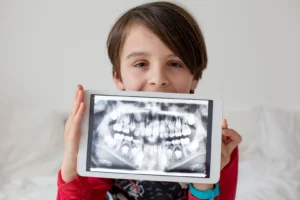

Most people think about dental treatment when something hurts. A tooth cracks, a filling falls out, a gum abscess swells overnight, and suddenly the calendar opens up for an urgent appointment. What often gets missed is how much serious dental work is prevented long before pain appears. That is where a General Dentist does some of the most valuable work, often quietly and without much fanfare.
In daily practice, the pattern is easy to recognize. Patients who come in regularly, ask questions, and address small issues early usually avoid root canals, extractions, advanced gum treatment, and costly restorative work. Patients who postpone visits for years often arrive with problems that have been growing in plain sight. The difference is rarely luck. More often, it comes down to early detection, maintenance, and practical guidance that fits real life.
Preventive dentistry is not just about polishing teeth and handing out floss. It is a steady process of spotting changes, measuring risk, and intervening while treatment is still simple. A good General Dentist is not waiting for damage to become obvious. The job is to notice the faint edge of a cavity, the slight deepening of a gum pocket, the worn spots from clenching, or the old filling that is beginning to leak. Catch those problems early, and major treatment often never enters the picture.
Small findings matter more than people realize
Dental disease usually develops slowly. Cavities begin as microscopic mineral loss. Gum disease starts with inflammation and bacterial buildup around the gumline. Bite problems and grinding wear down enamel a little at a time. Because these changes tend to be gradual, they are easy for patients to miss. Teeth do not always hurt in the early stages, and gums can bleed for months before someone treats it as a warning sign.
That slow timeline is exactly why routine care works so well. During an exam, a General Dentist is not only looking for obvious decay. The more important task is identifying patterns. Is one area trapping plaque because of crowding? Are several fillings aging at the same rate? Has recession increased since the last visit? Do the X rays show a shadow between the teeth that cannot yet be seen clinically? These details guide decisions that keep treatment conservative.
Take a simple cavity General Dentist between two molars. If found early, it may need a small filling. If ignored, decay can spread into the nerve and lead to a root canal, a crown, and sometimes eventual retreatment years later. If the tooth fractures beyond repair, extraction and replacement become the next conversation. The cost, time, and complexity rise with every stage. A small filling is not merely a small treatment. It is often the point where a much larger chain of events is interrupted.
The exam is a screening tool, not a formality
Patients sometimes assume a checkup is mainly about confirming that everything looks fine. In reality, a thorough exam is one of the most important preventive tools in healthcare. Teeth, gums, oral soft tissues, jaw joints, and bite function all give clues that something may be changing.
A General Dentist evaluates visible surfaces, checks restorations, measures gum health, and compares findings over time. That last part matters. One isolated area of wear may not seem dramatic, but if it has doubled over 12 months, it tells a very different story. A single 4 millimeter gum pocket may not be alarming, but several new deeper areas suggest active periodontal change. Dentistry is often about trends, not just snapshots.
X rays also play a preventive role that patients do not always appreciate. Many significant issues start where no mirror can show them, under existing fillings, between teeth, or around roots and bone. Bitewing X rays routinely catch hidden cavities before they become symptomatic. Full imaging at appropriate intervals can reveal bone loss, impacted teeth, chronic infection, cystic changes, or failing dental work. Used judiciously, imaging supports less invasive care, not more.
There is also the oral cancer screening component, which rarely gets enough attention. A General Dentist examines the tongue, cheeks, palate, floor of the mouth, and related tissues for suspicious changes. Most findings are benign, but identifying something concerning early can make an enormous difference in treatment and outcome.
Gum disease often becomes major treatment because it stays quiet
When people think of expensive dental work, they usually think of teeth. In practice, the gums and supporting bone are just as important. Periodontal disease is one of the most common reasons patients end up needing deep cleanings, surgical care, extractions, and complex tooth replacement. The frustrating part is that it often progresses with very little pain.
Mild gingivitis can usually be reversed with professional cleaning and improved home care. Once bone loss begins, the goal shifts. At that stage, treatment can still be effective, but it becomes more involved. Scaling and root planing, frequent maintenance visits, localized antimicrobials, or specialist referral may be necessary. Left unmanaged, gum disease can loosen teeth that were otherwise healthy.
A General Dentist helps prevent that escalation by measuring gum health consistently and explaining what the numbers mean. Patients hear terms like “pockets” and “bleeding points,” but those findings are not abstract. They tell the story of whether General Dentist the tissue around a tooth is stable or under bacterial attack. A patient in their forties with moderate bone loss may still keep their teeth for decades if the disease is controlled. The same patient, if untreated, may face tooth mobility and replacement planning much sooner than expected.
One of the most useful conversations in preventive care is honest risk assessment. Not everyone has the same periodontal risk. Smoking, diabetes, dry mouth, certain medications, genetics, crowded teeth, stress, and inconsistent home care all influence the picture. A skilled General Dentist does not give every patient the same script. The recommendations should match the person, not just the chart.
Old dental work needs monitoring, even when it feels fine
Fillings, crowns, and bridges do not fail all at once. They age gradually. Margins wear down, small gaps form, cement breaks down, and recurrent decay begins at the edges. Patients are often surprised to hear that a restoration can be compromised even though it feels normal. But dental materials work inside a difficult environment, exposed to moisture, temperature changes, biting pressure, grinding, and bacteria every day.
This is another place where preventive care saves major treatment. Replacing a worn filling before decay undermines the tooth is usually straightforward. Waiting until the tooth structure weakens may mean a crown. Waiting longer can lead to a fracture into the nerve or below the gumline, where the options become more limited and more expensive.
A common example is the large old silver filling in a molar. Many of these restorations last for years, even decades, but they can also contribute to cracking as the tooth flexes over time. If a General Dentist notices craze lines, marginal breakdown, or tenderness on biting, the recommendation may be to protect the tooth with a crown before it fractures catastrophically. That can feel like overtreatment to someone with no pain. Yet in many cases it is exactly the treatment that prevents an emergency.
Judgment matters here. Not every old filling needs replacement, and not every crack line is dangerous. Experienced dentists weigh the age of the restoration, the amount of remaining tooth structure, the patient’s bite forces, symptoms, and radiographic findings before recommending treatment. Prevention is not about doing more. It is about doing the right thing at the right time.
Bite, grinding, and stress can quietly destroy teeth
Some of the most expensive dental problems begin with forces, not bacteria. Grinding, clenching, and bite imbalance can wear enamel flat, chip teeth, loosen restorations, and strain the jaw joints. Patients often do not realize they are doing it, especially at night.
A General Dentist often spots the evidence before the patient is aware of the habit. Flattened biting surfaces, tiny fractures at the edges, abfractions near the gumline, sore chewing muscles, and morning headaches all point in the same direction. Addressing these issues early may involve a night guard, bite adjustment in selected cases, repair of vulnerable teeth, or coordination with other providers when joint or muscle symptoms are significant.
I have seen patients dismiss mild wear for years because it seemed cosmetic. Then a front tooth chips before a wedding, or a cracked molar flares up during travel, or several fillings begin breaking in the same six month window. Once heavy forces have done enough damage, the restoration phase becomes far more demanding. Protective treatment earlier would have been simpler and cheaper.
This is also where a General Dentist can provide practical advice that fits modern habits. Many people clench during computer work, driving, or exercise without noticing. A reminder to keep lips together and teeth apart sounds almost too basic, but for some patients it reduces daytime clenching substantially. Preventive care is often built from these small behavior changes.
Prevention depends on home care, but technique matters more than intensity
Patients often tell their dentist, “I brush hard because I want to keep my teeth clean.” Unfortunately, aggressive brushing can contribute to gum recession and abrasion near the gumline. Good prevention is not about force. It is about consistency and technique.
A General Dentist helps refine home care so it actually protects the teeth and gums. Sometimes the biggest improvement comes from using a soft brush, changing the angle at the gumline, cleaning between the teeth more effectively, or choosing a fluoride product for high cavity risk. Dry mouth management, dietary counseling, and advice about snacking frequency can be just as important as brushing itself.
For many adults, the challenge is not ignorance but habit. They know sugar contributes to decay. What they have not considered is that sipping sweetened coffee over three hours exposes the teeth differently than drinking it with a meal. They know they should floss. What they may not know is that inconsistent plaque removal around one bridge or one crowded lower incisor can become the source of repeated inflammation and eventual treatment.
A helpful General Dentist translates broad advice into specifics. Instead of saying “floss more,” the better instruction is often narrower and more useful: focus on the back molars where the contacts are tight, use floss threaders under the bridge, switch to interdental brushes on the lower front teeth, apply high fluoride toothpaste at night and spit without rinsing. Those details prevent disease far more effectively than generic reminders.
The conditions a General Dentist often catches early
The range of preventable issues is wider than most people expect. During routine visits, a General Dentist may identify early changes such as:
- small cavities before they reach the nerve
- early gum disease before bone loss becomes severe
- cracked teeth before they split
- failing fillings and crowns before infection develops
- wear from grinding before major reconstruction is needed
Each of these sounds minor on its own. The value comes from timing. Catching them at this stage usually means simpler, more predictable care.
Children and teenagers benefit from prevention in different ways
Prevention is not only an adult issue. In younger patients, a General Dentist can shape oral health for years to come. Some of the most important work involves monitoring growth, eruption patterns, oral hygiene habits, and cavity risk while problems are still manageable.
A child with deep grooves in the molars may benefit from sealants that reduce the risk of decay in areas a toothbrush struggles to reach. A teenager with frequent sports injuries may need a custom mouthguard. Early signs of crowding, thumb sucking effects, or enamel defects may lead to timely referral or protective treatment. These interventions may seem modest, but they often spare families much more extensive treatment later.
Adolescents also enter a phase where diet and oral care can become erratic. Energy drinks, frequent snacking, orthodontic appliances, and inconsistent brushing create a perfect storm for cavities and gum inflammation. A General Dentist who communicates well with both teens and parents can often prevent the cycle of repeated decay that follows some patients into adulthood.
Frequency should match risk, not a rigid rule
The traditional six month recall works well for many people, but not for everyone. Some patients with excellent home care, low decay risk, and stable gum health may do well with longer intervals in selected circumstances. Others need closer supervision. A patient with active gum disease, heavy tartar buildup, dry mouth from medication, or a history of frequent cavities may need visits every three or four months.
That is not upselling when it is based on clinical findings. It is risk management. The whole point of prevention is to shorten the window in which damage can progress unnoticed. Someone who forms thick tartar quickly can develop inflammation long before six months pass. Someone with reduced saliva after cancer treatment or because of prescription medication can go from stable to multiple cavities in a surprisingly short time.
Good preventive care feels individualized. If every patient receives the same schedule and the same advice regardless of findings, something is being missed.
What patients can do between visits
A General Dentist does a great deal, but prevention is still a partnership. Between appointments, a few habits have an outsized effect:
- keep routine exams and cleanings instead of waiting for pain
- clean between the teeth daily in the way your mouth actually requires
- limit frequent sugar exposure, especially sipping and grazing
- wear a night guard or sports guard if one has been recommended
- mention changes early, including sensitivity, bleeding, or a rough edge on a tooth
None of these steps are dramatic. That is precisely why they work. Major dental treatment is often prevented by ordinary actions repeated over time.
The financial side is real, and prevention usually costs less
It is impossible to talk honestly about dental care without mentioning cost. Many patients delay treatment because they are trying to avoid expense, only to face a much larger bill later. A preventive visit and a small filling are inconvenient but manageable for most households compared with a root canal, crown, extraction, implant, or periodontal therapy.
Of course, cost decisions are not always simple. Some patients have limited insurance, high deductibles, or competing medical and family expenses. A practical General Dentist understands that and helps prioritize treatment. Not every recommendation has the same urgency. The key is transparency. Which issue is active disease, which is watchable, and which is elective improvement? Clear communication helps patients make informed choices without drifting into avoidable crises.
There is also a time cost to consider. Major treatment rarely means one quick visit. It often involves multiple appointments, temporary restorations, anesthesia, healing time, missed work, and follow up care. Prevention preserves more than teeth. It preserves time, comfort, and predictability.
Trust makes prevention work better
The best preventive care happens when patients trust that recommendations are based on sound judgment rather than habit or pressure. That trust is earned through explanation, consistency, and restraint. A General Dentist who can say, “This area is stable, let’s monitor it,” builds as much credibility as one who recommends treatment when it is truly needed.
Patients should feel comfortable asking why a tooth needs a crown instead of a filling, why a gum condition requires closer maintenance, or why an X ray is due. Those conversations matter. Prevention is easiest to follow when the reasoning is clear.
A strong dentist patient relationship also helps when life gets messy. People miss appointments, go through stressful periods, and let routines slide. The goal is not perfection. It is getting back on track before temporary neglect becomes lasting damage. In that sense, a General Dentist is not only treating teeth. The role includes coaching, pattern recognition, and long term stewardship.
The quiet value of catching things early
The most effective dental treatment is often the treatment a patient never ends up needing. That may sound obvious, but it captures the real value of routine care. A General Dentist prevents major problems by intercepting disease and damage when they are still small, still fixable, and still inexpensive relative to what comes next.
When prevention is working, it can seem uneventful. The appointment ends with a cleaning, a brief review, maybe a note to watch one area or improve care around another. Nothing dramatic happens, and that is the point. Behind that ordinary visit may be the avoided root canal, the delayed crown, the stabilized gum condition, or the cracked tooth that never split.
For patients, the lesson is simple: do not judge dental health by whether something hurts today. Serious problems often begin quietly, and they stay quiet until treatment becomes much bigger. A capable General Dentist changes that timeline. With regular exams, thoughtful monitoring, and practical preventive care, major dental treatment is often not prevented by luck, but by attention paid early and well.
Aspenwood Dental Associates and Colorado Dental Implant Center
2900 S Peoria St Ste C, Aurora, CO 80014, United States
+1 303-731-4037
FAQ About General Dentist
How long do teeth fillings last in Aurora, CO?
Fillings can last for years, but they are not lifetime restorations. Their durability depends on the material, the size and location of the filling, chewing forces, and oral hygiene. A general dentist can examine a filling for wear, damage, or new decay and explain whether monitoring, repair, or replacement is appropriate. Age alone does not establish that a filling needs replacement.
How Can I Reduce Dental Anxiety?
Tell the dental team about your concerns when booking and again at your visit. Ask for an explanation of each step, agree on a signal for breaks, and consider slow breathing or headphones if the practice permits them. Discuss pain control and any sedation options with the dentist; suitability depends on your health, medicines, and planned treatment.
When should your child first see a dentist in Aurora?
Arrange the first dental visit within six months after the first tooth appears and no later than the first birthday. Early visits allow the dentist to assess development and discuss brushing, fluoride, feeding habits, and cavity prevention. Ask the practice whether it sees infants and how it handles referrals when a child needs specialist care.