General Dentist Aurora: Why Personalized Care Makes a Difference
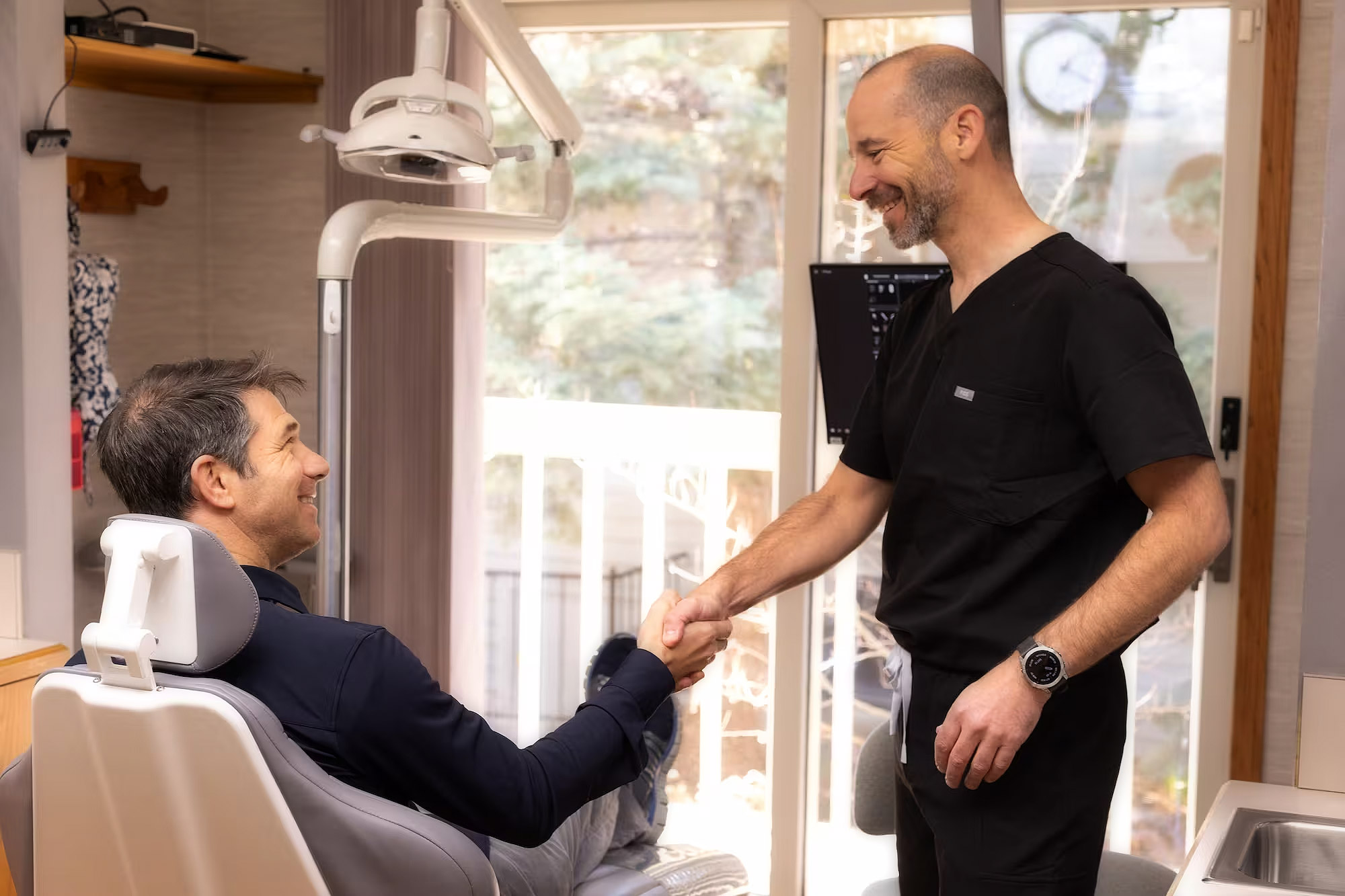
Finding a dentist is easy. Finding a dentist who understands how you live, what you need, what worries you, and what your mouth has been through over the years is something else entirely. That difference matters more than most people realize.
When patients look for a General Dentist Aurora, they are often thinking about practical things first. Is the office close to home or work? Do the appointment times fit a busy schedule? Does the clinic accept their insurance? Those questions are reasonable, and they matter. But after years of watching how people respond to dental care, one truth stands out: personalized care changes everything. It shapes trust, comfort, diagnosis, treatment outcomes, and even whether a patient comes back before a small issue becomes a painful, expensive one.
Dentistry is not just about teeth. It is about habits, medical history, stress, sleep, diet, family patterns, pain tolerance, and personal priorities. Two people can sit in the same chair with what looks like the same cavity, and the right treatment plan may still differ. One person may need a conservative monitor-and-reassess approach. Another may need immediate treatment because of grinding, dry mouth, or a history of rapid decay. Personalized care is the discipline of noticing those details and acting on them.
The difference between routine dentistry and attentive dentistry
Most patients have had at least one dental visit that felt mechanical. The cleaning happened. The dentist looked around for a few minutes. A few recommendations were made. The appointment ended. Nothing was necessarily wrong with that encounter, but it may not have been especially thoughtful.
Attentive dentistry feels different. The dentist remembers that your lower left side has been sensitive to cold for months, even though the X-rays looked normal last time. The hygienist notices that your gums are healthier now that you switched to an electric toothbrush. Someone asks whether the mouthguard you received last year is actually comfortable enough to wear through the night. Those are not small details. They are signs that your care is being shaped around you rather than around a generic checklist.
A good general dentist does more than repair damage. That dentist learns patterns. Some patients are excellent brushers but struggle with flossing around crowded lower front teeth. Some keep getting chips on the same front tooth because of bite pressure, not bad luck. Some adults who rarely had cavities in their twenties start seeing multiple areas of decay in their forties because medications have changed their saliva flow. Personalized care connects these dots early.
Why one-size-fits-all treatment often falls short
The mouth may be local, but the causes of dental problems are rarely simple. A person with acid reflux can show enamel wear that looks, at first glance, like aggressive brushing. A patient with diabetes may heal more slowly after periodontal treatment. A teenager with spotless teeth may still need close monitoring because of orthodontic retainers that trap plaque in hard-to-clean spots. Standard advice does not always meet these situations well.
That is why a skilled General Dentist Aurora should not rely on stock recommendations. “Brush and floss more” is not enough if the real issue is technique, dexterity, dry mouth, fear, or a schedule so overloaded that oral hygiene keeps slipping to the bottom of the list. Effective care asks better questions. What time of day do you usually brush? Do your gums bleed every time or only in one area? Do you wake up with jaw fatigue? Are you sipping sweetened coffee over three hours every morning? These are practical questions, and they often reveal the reason treatment keeps failing or why problems keep returning.
There is also the matter of patient preference. Some people want the most conservative route possible and are happy to monitor a borderline issue. Others prefer to treat sooner for peace of mind. Neither mindset is wrong. The right dental relationship leaves room for that conversation.
Personalized care starts before treatment does
Patients often think personalization begins with a treatment plan. In reality, it starts the moment the office begins gathering information. A well-run practice pays attention to what matters clinically and personally. Medical conditions, medications, past dental experiences, and symptom history all belong in the picture. So do less obvious details, like whether a patient gags during X-rays, becomes anxious around needles, or works shifts that make regular daytime appointments difficult.
Consider a common scenario. A patient comes in saying, “I just need a cleaning.” During the visit, the team learns the patient has not been seen in several years, has occasional bleeding when brushing, drinks sports drinks daily, and has started clenching during sleep because of work stress. General Dentist Aurora That person may still get a cleaning, but the appointment should not unfold as though it were routine. There may be early gum disease, enamel wear, muscle tenderness, or hidden decay that a simple “quick polish” approach would miss.
Good care requires curiosity, not assumptions.
What personalized dental care looks like in daily practice
There is no single dramatic moment that makes care feel personal. More often, it is built through consistent, practical choices.
A dentist who tailors care will explain why a recommendation matters to your mouth, not just why it matters in theory. If your fillings keep failing on one side, the discussion may turn to bite force and grinding patterns. If your child is cavity-prone despite decent brushing, the conversation may shift toward snacking frequency, hidden sugars, sealants, and how well they can reach the back molars on their own. If you are pregnant, the office may emphasize gum inflammation and timing of elective treatment differently than usual.
That level of attention often changes patient behavior. People are far more likely to follow through when the advice feels specific. “Use fluoride” is broad. “Your recession near the canines suggests you brush hard, so switch to a soft brush and use small circles, especially at the gumline” is usable. “Try to floss more” is easy to ignore. “The tight contact between these two molars is where food is packing and starting a cavity, so waxed floss or a floss pick in that exact area will matter most” gives someone a realistic path forward.
Trust is not a soft extra, it is clinical value
Many people underestimate how much dental outcomes depend on trust. A patient who feels rushed or judged tends to withhold information. They may not mention occasional pain because they do not want to “cause trouble.” They may nod along during an explanation they do not understand. They may delay treatment because the last recommendation felt sales-driven rather than necessary.
When trust is present, communication improves. Patients say when they are scared. They admit when they stopped wearing the nightguard. They share that the temporary crown felt wrong from day one. Those disclosures are not awkward side notes. They are essential clinical information.
This matters especially for people with dental anxiety. Personalized care can make the difference between avoidance and consistent attendance. Sometimes that means building in extra time for appointments. Sometimes it means agreeing on a stop signal, using more topical anesthetic, explaining each step in advance, or breaking treatment into shorter visits. For a fearful patient, these details can be the reason they finally address a long-neglected issue.
I have seen patients arrive apologetic, embarrassed, and convinced they will be lectured. When they are met with calm, specific guidance instead of shame, their entire posture changes. They come back. They ask questions. They accept preventive care instead of waiting for emergencies. That is what personalized care can do.
Prevention works better when it is tailored
Preventive dentistry is often described in broad terms, but prevention is not one-size-fits-all either. The tools that help one patient may not be the tools another patient needs.
A person with healthy gums and low cavity risk may do well with standard six-month recalls and basic home care. Another patient with dry mouth, exposed root surfaces, and a history of frequent restorations may need a very different strategy. That plan might include more frequent hygiene visits, high-fluoride toothpaste, saliva support products, dietary counseling, and close monitoring of early lesions before they become larger restorations.
The same principle applies across life stages. Children need coaching that matches their motor skills and eating habits. Teens may need help navigating sports guards, retainers, wisdom tooth concerns, and cosmetic self-consciousness. Adults often balance stress, clenching, and deferred treatment. Older adults may deal with medication-related dry mouth, recession, worn restorations, or the challenge of cleaning around bridges, implants, and partial dentures.
The best preventive care is specific enough to fit real life.
Here are a few areas where personalization makes prevention more effective:
- Recall timing based on risk, not habit alone.
- Home care recommendations matched to dexterity, crowding, and sensitivity.
- Fluoride strategies adjusted for cavity history and dry mouth.
- Bite and grinding assessment for patients with wear or repeated fractures.
- Diet advice focused on frequency and patterns, not just obvious sugar.
That kind of fine-tuning often saves money and tooth structure over time. Catching a small issue early is not just cheaper. It is usually less invasive and easier on the patient.
The role of judgment in diagnosis
Patients sometimes assume dentistry is purely visual. A tooth either has a problem or it does not. In practice, diagnosis often involves judgment, context, and careful monitoring.
Take a tiny shadow on an X-ray between teeth. One dentist might say it should be restored now. Another might choose to watch it if the area is not cavitated, the patient has low risk, and home care is strong. Either choice can be defensible depending on the circumstances. Personalized care means the decision is not made in a vacuum.
The same applies to cracked teeth, mild gum recession, early wear facets, and borderline wisdom tooth cases. Good dentists consider symptoms, progression, bite forces, age, habits, and patient priorities. They also explain uncertainty honestly. Not every finding calls for immediate drilling. Not every “watch area” is harmless. The value lies in knowing the difference.
That kind of judgment is one reason continuity of care matters. A dentist who has seen your mouth over several years can compare changes in a way a one-time emergency visit cannot. They know whether that gum pocket is new or stable, whether that worn edge has worsened, whether your fillings tend to fail in a pattern that suggests heavy occlusal stress. Personal knowledge improves decision-making.
Technology helps, but it does not replace personal attention
Modern dentistry offers excellent tools. Digital X-rays reduce radiation and improve image quality. Intraoral cameras let patients see what the dentist sees. Digital scans can improve comfort and precision in many cases. These advances are worthwhile. But technology alone does not create personalized care.
A scan is only as useful as the interpretation behind it. A clear photo of a cracked cusp still requires judgment about whether to polish, monitor, place a filling, or recommend a crown. A software-generated image does not know whether the patient can tolerate a long appointment, whether finances require phased treatment, or whether the patient’s previous dental trauma means the explanation must be slower and more reassuring.
Patients sometimes confuse modern equipment with modern care. The two are not identical. The strongest practices use technology to support conversation, not replace it.
Families often benefit most from a personalized approach
General dentistry frequently serves entire households, and that creates opportunities for more meaningful care. A family-oriented General Dentist Aurora may recognize patterns that help everyone in the home. If one parent has severe grinding, a teenager with early wear may warrant closer monitoring. If a child has recurring cavities, the discussion may reveal that the family uses frequent grazing snacks during packed activity schedules. If an older adult in the household struggles with dry mouth, caregivers may need simple, practical instruction on hydration, fluoride, and cleaning support.
Caring for families also means respecting different communication styles. A young child may need short, concrete explanations and a gentle introduction to instruments. A college student may want efficiency and evening appointments. A parent juggling work and school drop-offs may need coordinated visits for siblings. An older patient may want slower pacing and written instructions to review at home. These are not customer-service extras. They are part of what makes care sustainable.
When personalized care matters most
There are moments in dentistry when personalization is not just helpful, it is critical. Complex medical histories are an obvious example. Patients taking blood thinners, cancer therapies, bisphosphonates, or multiple medications that affect healing and saliva need a dentist who pays close attention. So do patients with autoimmune conditions, cardiac concerns, uncontrolled diabetes, or special accommodation needs.
Then there are the less dramatic, but equally important, situations. A patient with a strong gag reflex may avoid care for years if every X-ray appointment is miserable. A person with sensory sensitivity may need a different environment, a different pace, and more predictability. A patient who works nights may seem “noncompliant” when really their routine makes standard advice unrealistic. Personalized care reframes these problems. Instead of asking, “Why is this patient difficult?” the better question is, “What barrier has not been addressed yet?”
One of the most overlooked examples is financial planning. Good dentistry is not just about identifying ideal treatment. It is also about sequencing care sensibly. If a patient cannot do everything at once, the dentist should be able to prioritize what is urgent, what can wait safely, and what alternatives exist. That is not lowering the standard. It is applying the standard responsibly.
Signs you are receiving truly individualized care
Patients often ask how they can tell whether a dental office is genuinely personalized or simply polished. There are a few clues, and they tend to show General Dentist Aurora up consistently over time.
A personalized practice remembers your history without making you repeat the same story at every visit. Recommendations are explained with reasons specific to your situation. The team adjusts when something is not working, rather than repeating the same script. Questions are welcomed. Preventive advice feels realistic. You are not made to feel embarrassed for having delayed care, asked for clarification, or needed options.
You may also notice that the dentist is willing to say, “Let’s watch this,” when immediate treatment is not clearly necessary, or, just as importantly, “This can’t wait,” when delay would predictably make things worse. That balance is hard to fake. It reflects clinical confidence and restraint.
Why this matters for long-term oral health
Teeth last longer when care is consistent, conservative where appropriate, and timely when needed. Personalized dentistry supports all three. It helps patients stay engaged. It catches changing risks earlier. It reduces overtreatment in some situations and undertreatment in others. Over years, that makes a substantial difference.
Small decisions accumulate. A nightguard worn regularly can prevent fractures and headaches. A dry mouth problem recognized early can spare multiple root cavities. A carefully monitored crack can be restored before it turns into a split tooth. Better brushing technique can calm gum inflammation enough to avoid deeper periodontal problems. None of these interventions is glamorous. Together, they are the foundation of durable oral health.
This is where a trusted General Dentist Aurora earns real value. Not by offering generic care to a long line of anonymous patients, but by paying attention to the individual factors that shape each mouth and each decision. Good dentistry is technical, yes. It is also relational, observational, and adaptive.
Choosing a dentist who sees the whole picture
If you are looking for a dental home, pay attention to how the office communicates during the first few interactions. Do they ask meaningful questions? Do they explain findings clearly? Do they seem interested in your concerns, or eager to move quickly to treatment? Are they willing to discuss alternatives and timing? Does the advice feel grounded in your actual condition and habits?
A strong dental relationship should leave you better informed, not pressured. It should make care easier to follow, not more confusing. The right dentist does not just treat teeth. That dentist notices patterns, respects constraints, and helps patients make smart decisions over time.
Personalized care is not a luxury feature. It is one of the clearest markers of quality in general dentistry. When it is done well, patients feel it immediately, and their oral health often reflects it for years.
Aspenwood Dental Associates and Colorado Dental Implant Center
Address: 2900 S Peoria St Ste C, Aurora, CO 80014
Phone number: +13037314037
FAQ About General Dentist Aurora
What is meant by general dentistry?
General dentistry refers to the primary, foundational tier of oral healthcare, focused on the prevention, diagnosis, and treatment of conditions affecting the teeth, gums, and jaw. General dentists serve as a patient's main, long-term dental care provider—much like a primary care physician.
What is general dentistry and orthodontics?
General dentistry and orthodontics are two specialized branches of dental care. General dentistry serves as your primary care for overall oral health, focusing on routine cleanings, fillings, and disease prevention. Orthodontics is a specialized field focused entirely on diagnosing and correcting misaligned teeth and jaw structures using braces or clear aligners.
What are type 3 dental services?
Type 3 dental services typically include major restorative treatments that repair or replace damaged or missing teeth. These services are more complex and costly than preventive or basic dental care. Common examples of type 3 dental services include: Dental crowns.